Research Highlight - Fossil Discovery Rewrites Origin of Spiders and Scorpions
A stunning fossil discovery has pushed the origins of chelicerates, the group that includes spiders, scorpions and horseshoe crabs, back to the Cambrian period, confirming that these clawed predators emerged during the dawn of animal life.
Researchers from Harvard University describe in Nature the new species Megachelicerax cousteaui, a large soft bodied arthropod from the middle Cambrian of Utah. The specimen, donated to the University of Kansas Biodiversity Institute, preserves massive three segmented pincers called chelicerae, the defining feature of this group.
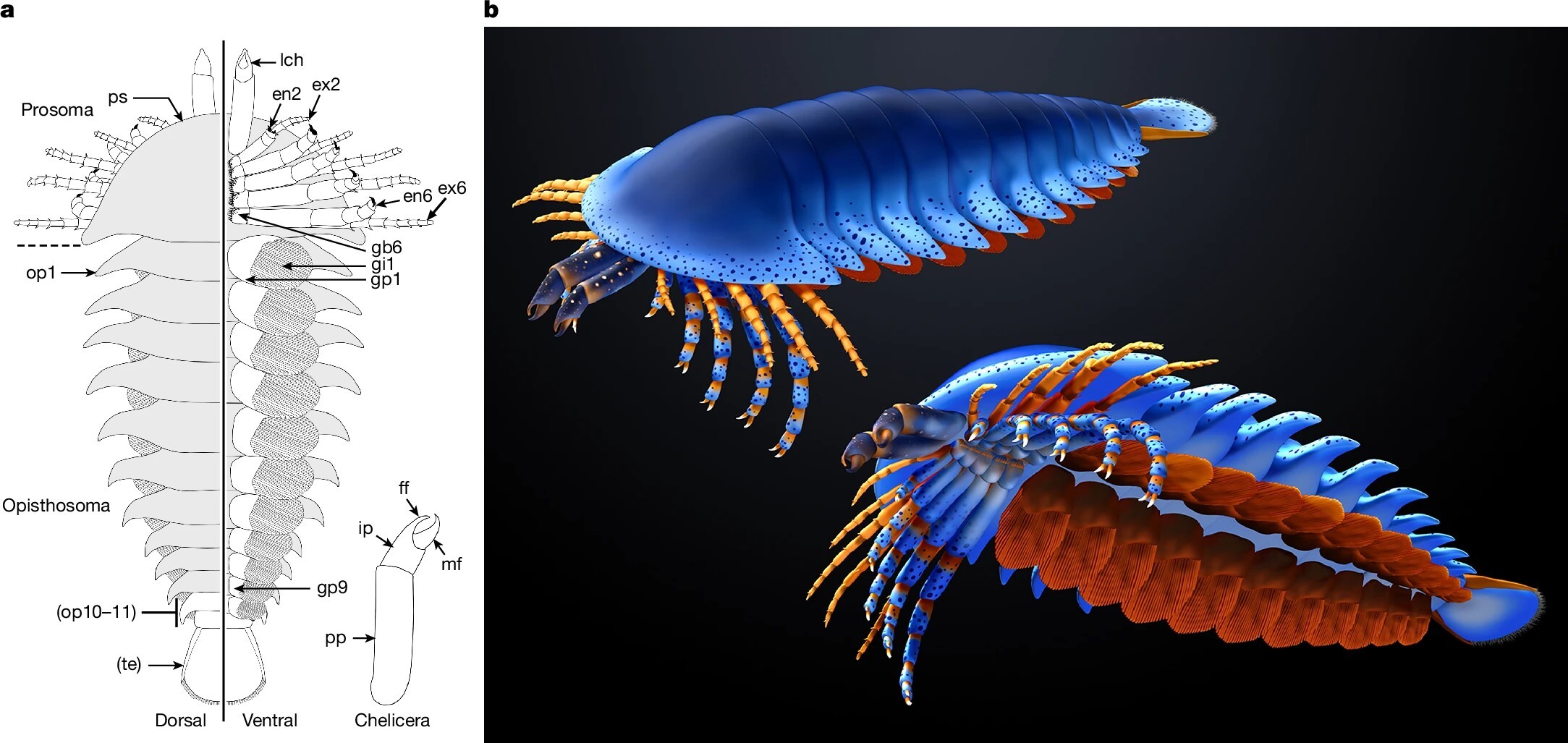
Fig. 1 Anatomic reconstructions of the dorsal (left) and ventral (right) morphologies (from Nature article)
“Chelicerates are everywhere today, from spiders in our homes to scorpions in the desert, but their early evolution has been unclear,” said Javier Ortega Hernández, coauthor of the study. While genetic data suggested a Cambrian origin, fossil evidence of animals with true chelicerae had been absent from this critical period.
The new species exceeds ten centimeters in length. It possesses five pairs of specialized limbs behind its chelicerae, along with platelike structures on its abdomen that resemble the book gills seen in modern horseshoe crabs. Using advanced phylogenetic methods, the researchers placed Megachelicerax as a stem group chelicerate, bridging older Cambrian forms such as habeliids with later post Cambrian relatives.
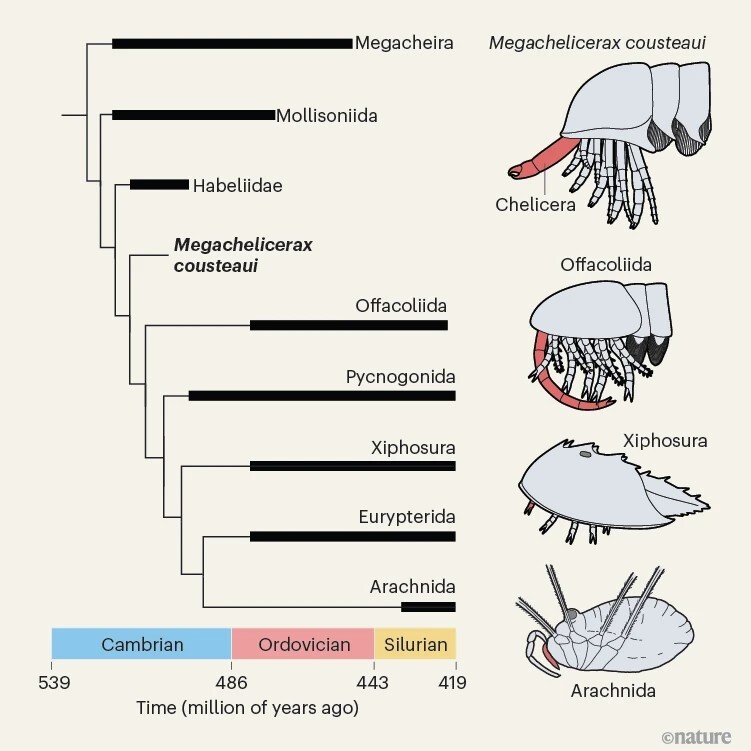
Fig. 2 The origin of arthropods called chelicerates (from Nature news & views)
This discovery provides the first unequivocal evidence that large predatory chelicerates existed during the Cambrian Explosion, a time of rapid diversification more than 500 million years ago. It confirms that several enigmatic Cambrian groups, including habeliids, mollisoniids and likely megacheirans, belong to the chelicerate family tree.
The genus name honors ocean explorer Jacques Cousteau, reflecting the creature’s marine lifestyle. The find highlights how the Cambrian Explosion established the fundamental body plans that continue to dominate animal life today.
——
References
Lerosey-Aubril, R. & Ortega-Hernández, J. Nature (2026) https://doi.org/10.1038/s41586-026-10284-2.
James C. Lamsdell. Nature (2026) https://doi.org/10.1038/d41586-026-00807-2
File Download: